Dear ,
As I listened to the recent Supreme Court decision in Louisiana v. Callias, I found myself reflecting on a painful and persistent thread running through American history: the deliberate, systematic effort to strip Black and Brown communities of their political power.
The tactics have changed over the decades, but the goal has remained the same. From poll taxes to literacy tests, these discriminatory barriers were once openly embedded in law. Over time, Congress worked to dismantle them, but as each tool was removed, new ones took its place.
Two of the most common modern tactics are packing and cracking. Packing concentrates Black voters into a single district, limiting their influence to just one representative when they could potentially elect two. Cracking does the opposite; it fractures Black communities, spreading their votes across majority-white districts until their voices are effectively buried.
In 1965, the Voting Rights Act banned racial discrimination in voting nationwide. A decade later, the Supreme Court ruled that plaintiffs do not need to prove discriminatory intent, only a discriminatory effect, meaning that minority voters had fewer opportunities to elect representatives of their choice. That standard offered meaningful protection.
Last week, the Supreme Court effectively gutted that protection.
The Court's new ruling requires plaintiffs to prove intentional discrimination in order to challenge a redistricting map, an extraordinarily high legal bar. Discriminatory intent is difficult to document and even harder to prove in court. This decision does not just raise the bar; for many communities, it moves it out of reach.
The consequences are already unfolding. Louisiana halted its primary election even after early voting had already begun. Several Southern states have moved swiftly to introduce legislation redrawing their electoral maps. The door is open, and states are already walking through it.
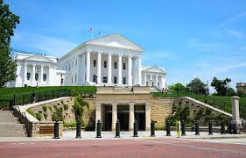
Here in Virginia, we are still awaiting the Virginia Supreme Court's decision on the redistricting ballot initiative. That ruling will have direct implications for how our communities are represented going forward.
What You Can Do Right Now
The fight for fair representation is not over, but it requires your active participation. Here's how you can make an impact:
- Stay informed. Follow updates on Virginia's redistricting case and share what you learn with your networks.
- Contact your legislators. Let your state and federal representatives know you expect them to defend voting rights.
- Show up. Volunteer, vote, and encourage others to do the same. Every election, especially local ones, matters more than ever.
Our communities have faced these barriers before and pushed through. We can do it again!
In Solidarity,
Keisha
Rev. Dr. LaKeisha Cook
Executive Director |